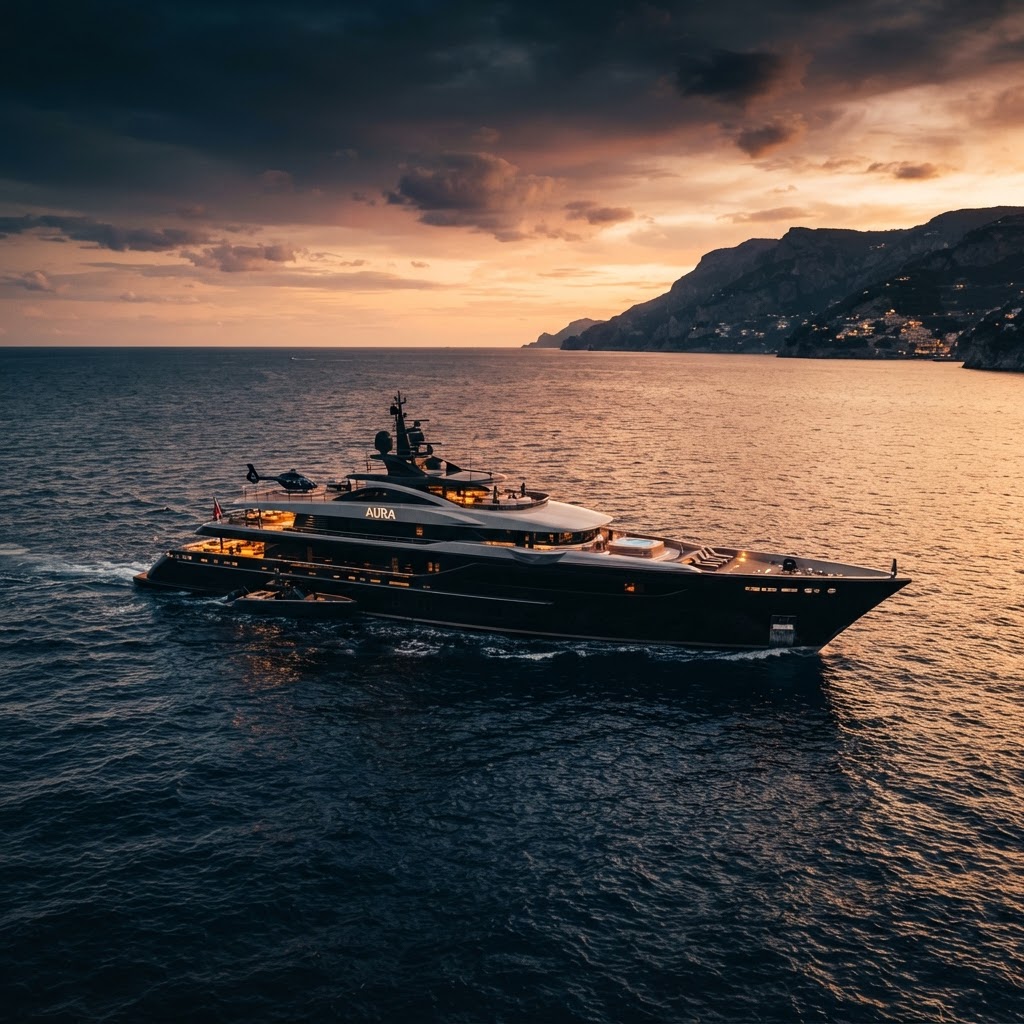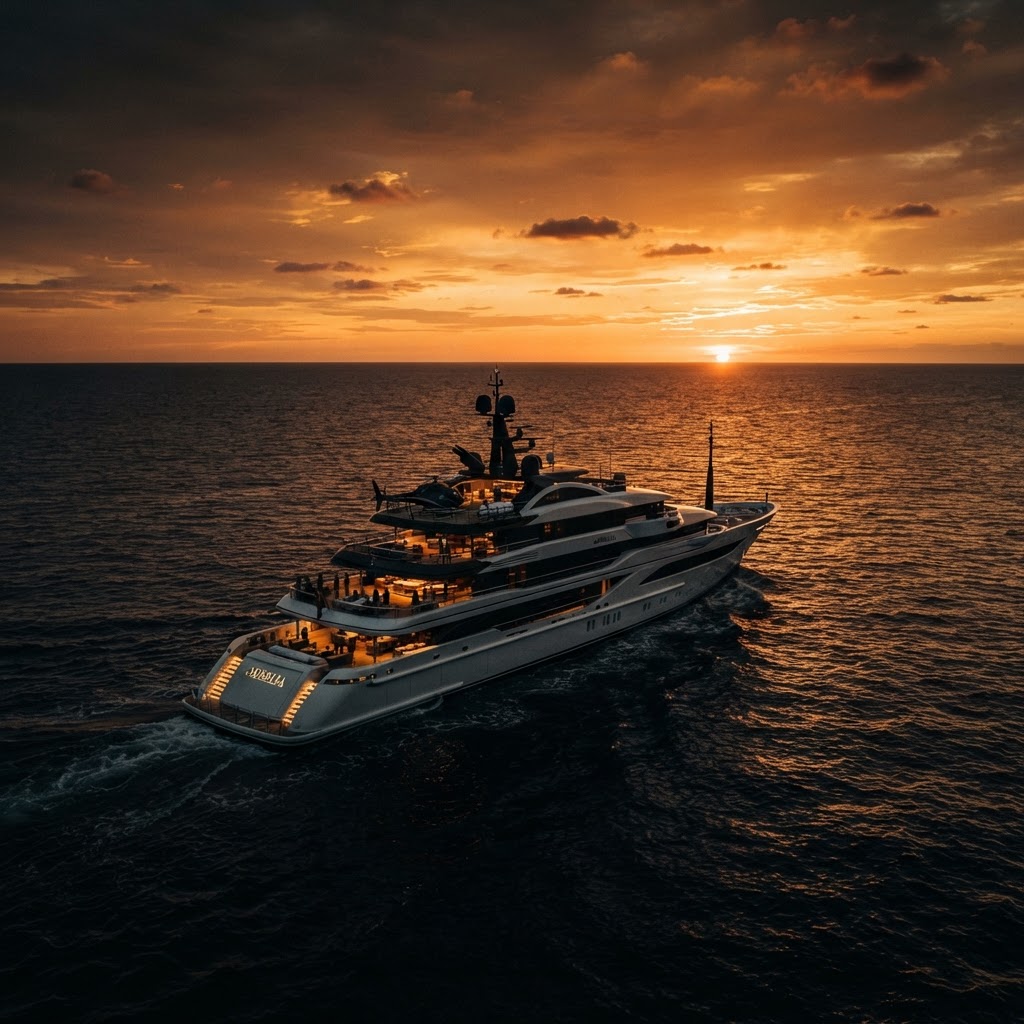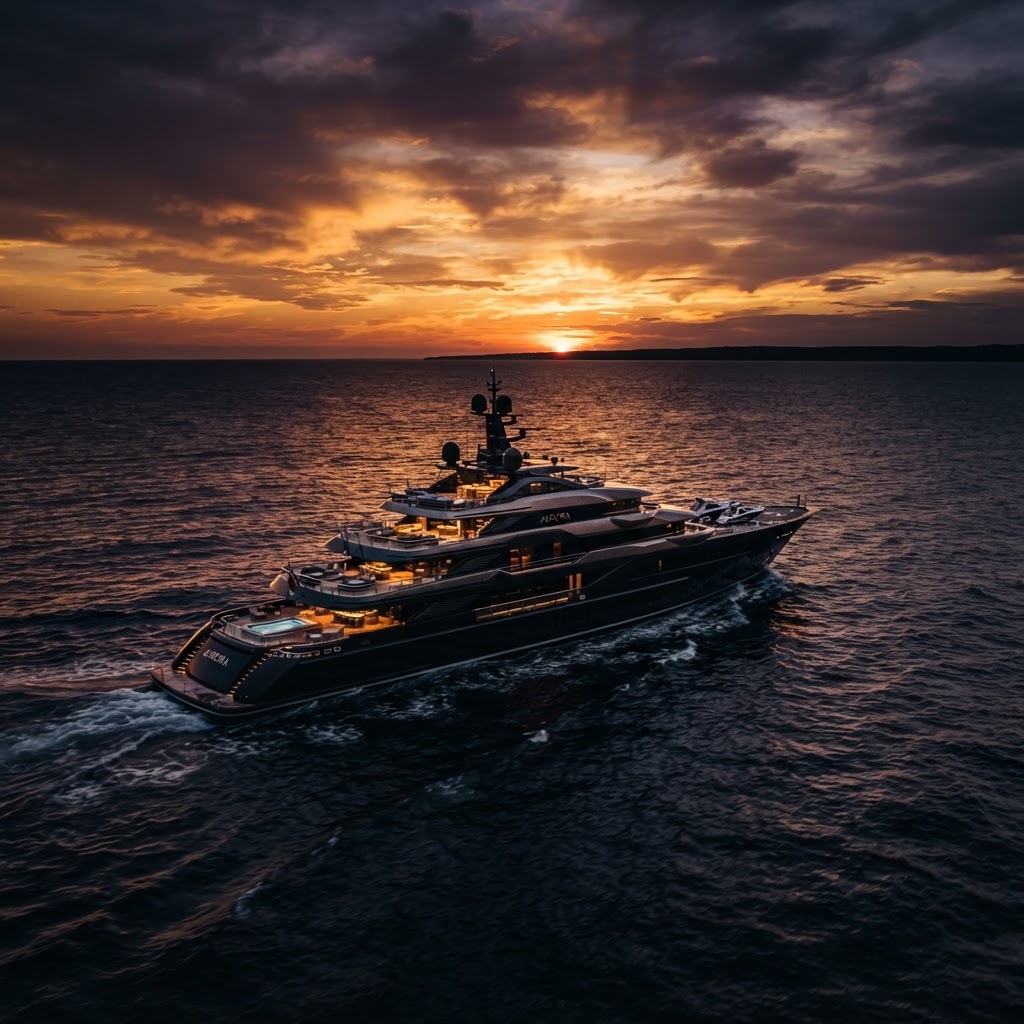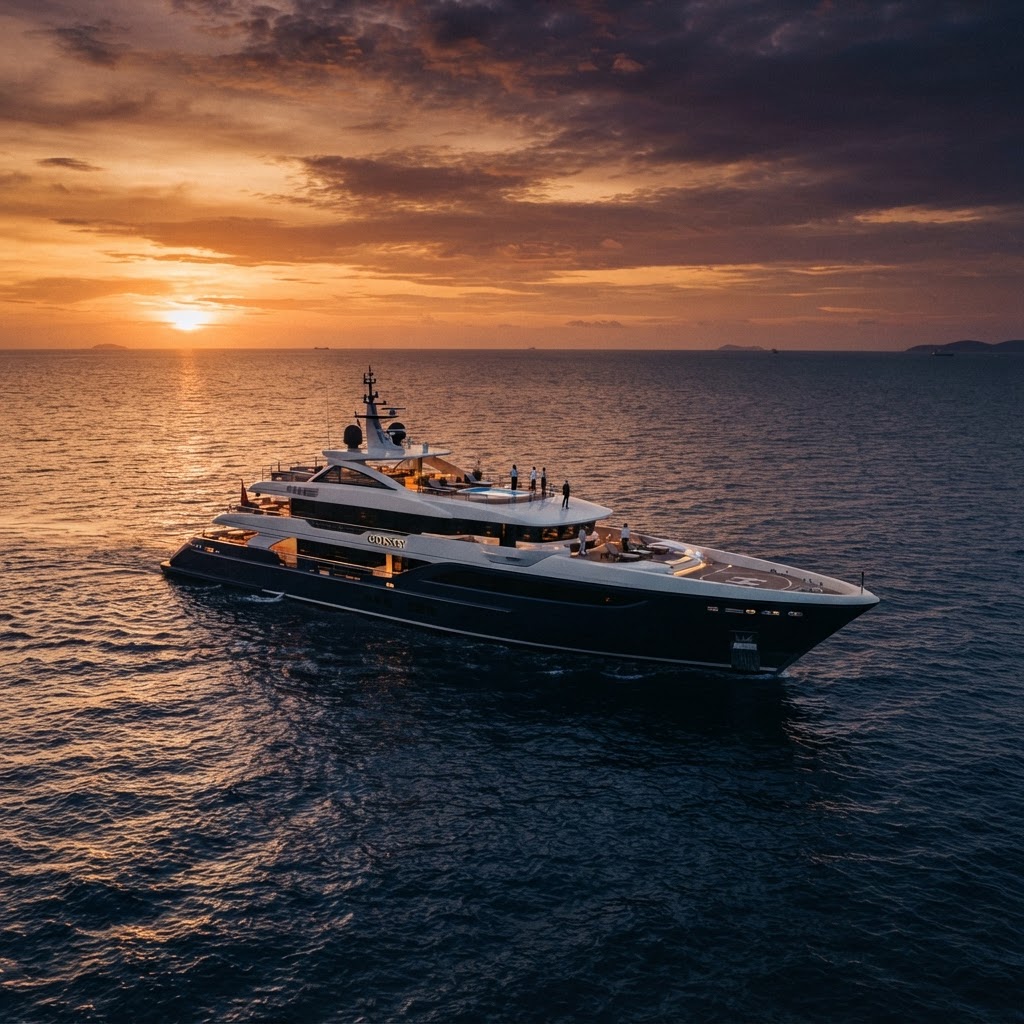

The myth of the '10% rule,' which suggested setting aside an annual amount equal to 10% of a yacht's purchase price, is now outdated. For owners of vessels between 40 and 70 meters, the 2026 operational landscape demands a new reality: current running costs, influenced by maritime inflation and the need for highly specialized crews, now fluctuate between 12% and 15% of invested capital. Treating yacht ownership as a boutique enterprise is the key to avoiding liquidity surprises.
How Much Does It Really Cost to Operate a Superyacht in 2026?
The structure of superyacht running costs is no longer static. The rising cost of labor, driven by increasing demand for certified professionals (from onboard engineers to IT specialists), has pushed salaries higher. A balanced annual operating budget must now include a specific line item for continuous crew training, a crucial element for safety and the technical longevity of the asset.
| Expense Category | Average Impact on Annual Budget |
|---|---|
| Crew Salaries and Social Charges | 35% - 40% |
| Routine and Extraordinary Maintenance | 25% - 30% |
| Berthing and Port Fees | 10% - 15% |
| Fuel and Provisions | 10% - 15% |
| Insurance and Technical Management | 5% - 10% |
The Impact of Crew Costs in Today's Market
The cost of onboard personnel is the most dynamic variable. Remuneration is no longer tied solely to experience, but to the ability to manage complex automation systems. Many owners today choose to integrate professional management services to optimize staff rotation, reduce turnover, and ensure operational continuity that protects the vessel's residual value.
Maintenance and Reserves for Class Surveys
Beyond current costs, five-year planning is essential. Class surveys represent a peak in expenditure that is often underestimated. Ignoring the need for a dedicated fund for these technical interventions means risking a drastic devaluation at the time of resale. A prudent approach involves consistently setting aside a fixed amount dedicated exclusively to scheduled maintenance cycles in shipyards.
Conclusions: Treating the Yacht as a Strategic Investment
Modern superyacht ownership requires rigorous treasury management. Those who approach a purchase by looking only at the list price are making a tactical error; those who instead integrate operating costs, port inflation, and sector wage dynamics transform a liability into a professionally managed asset. To explore the world of excellence, also discover our analyses on the most exclusive supercars that complete every collector's garage.