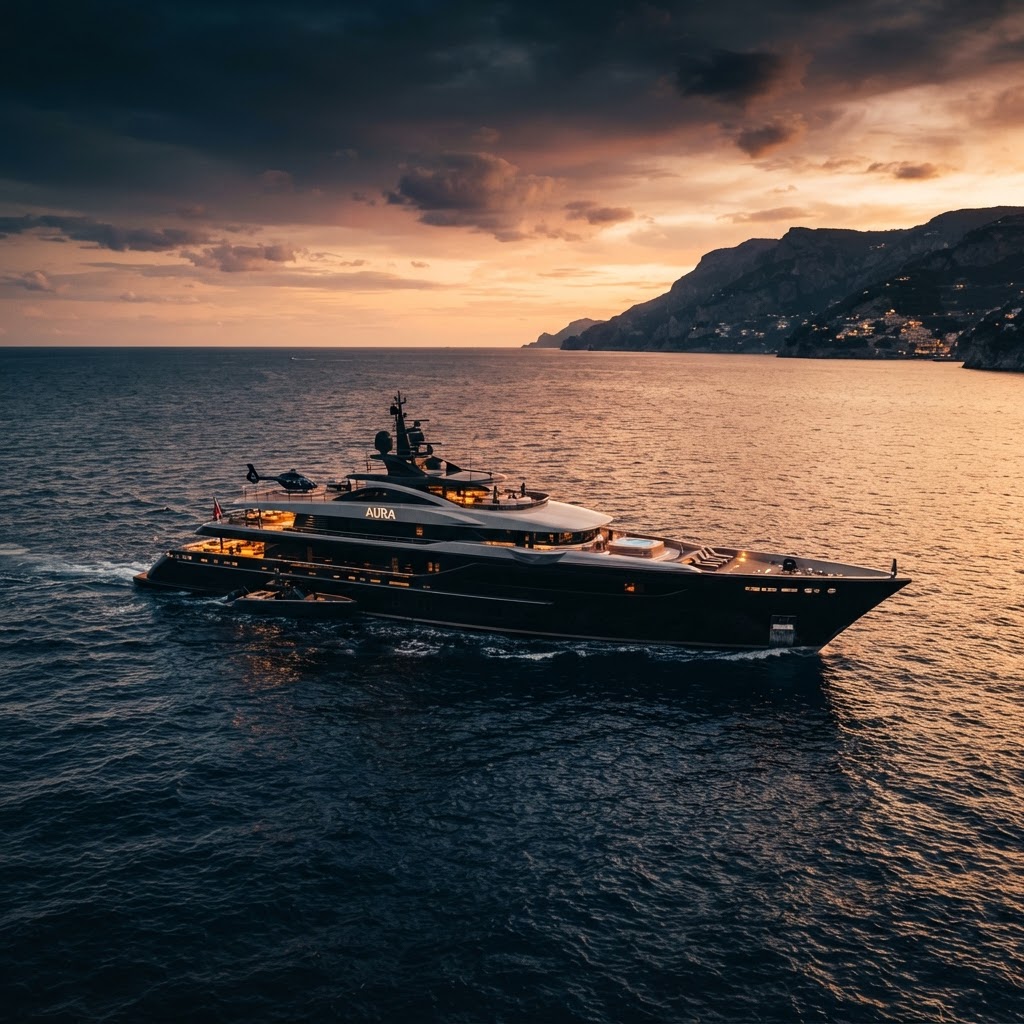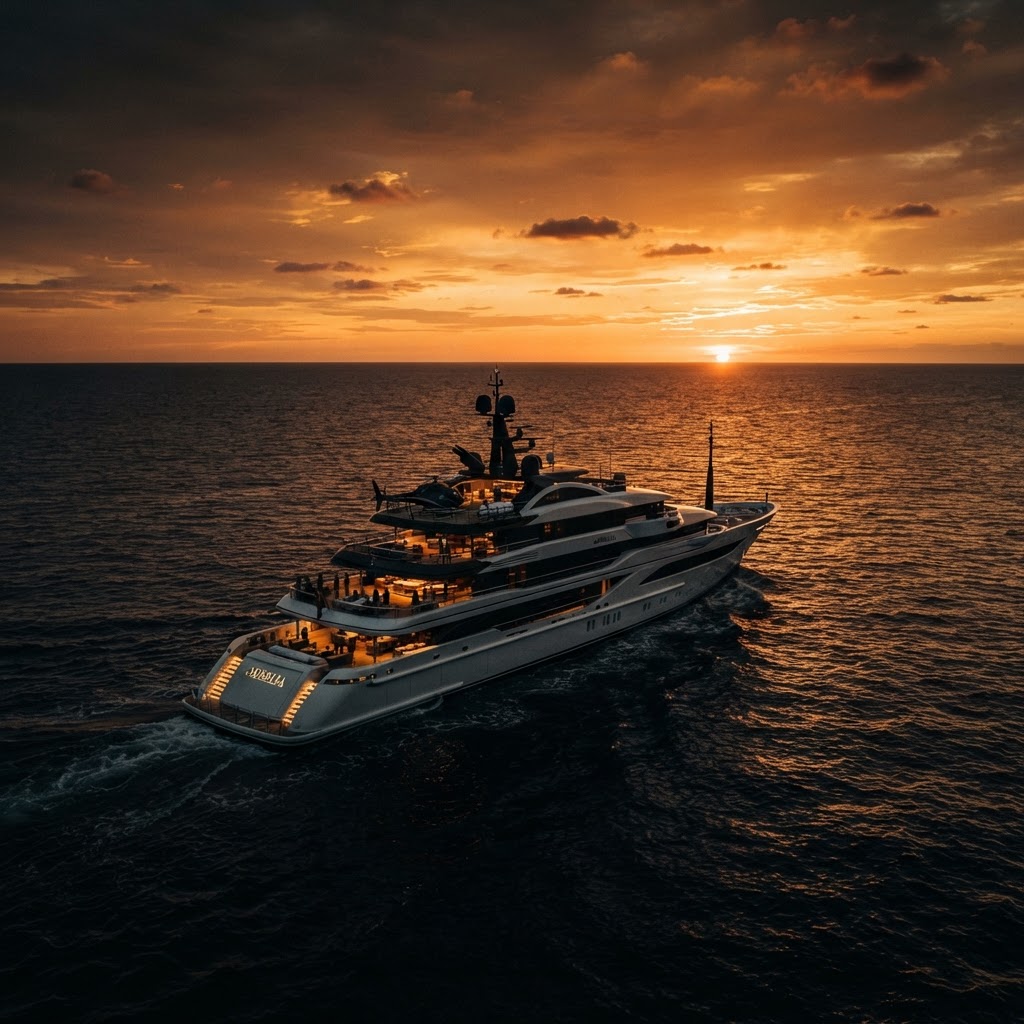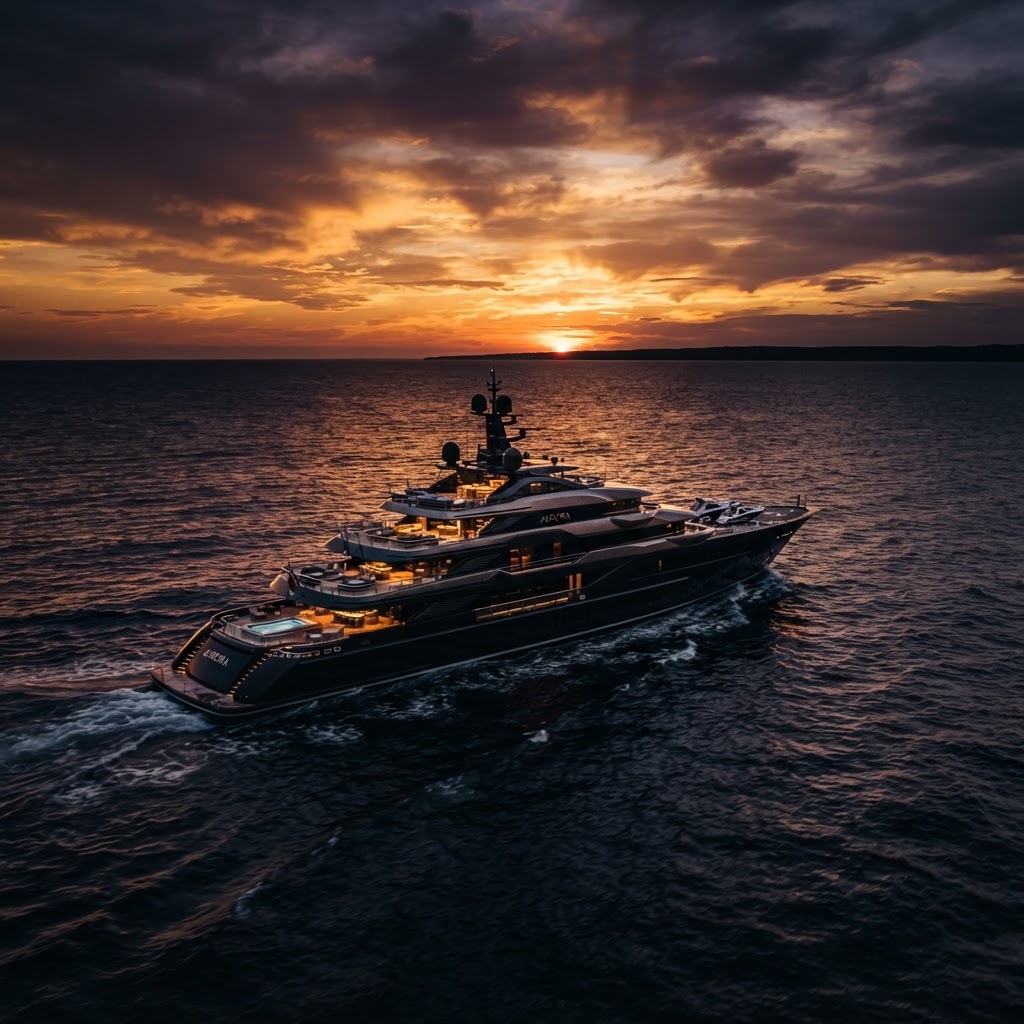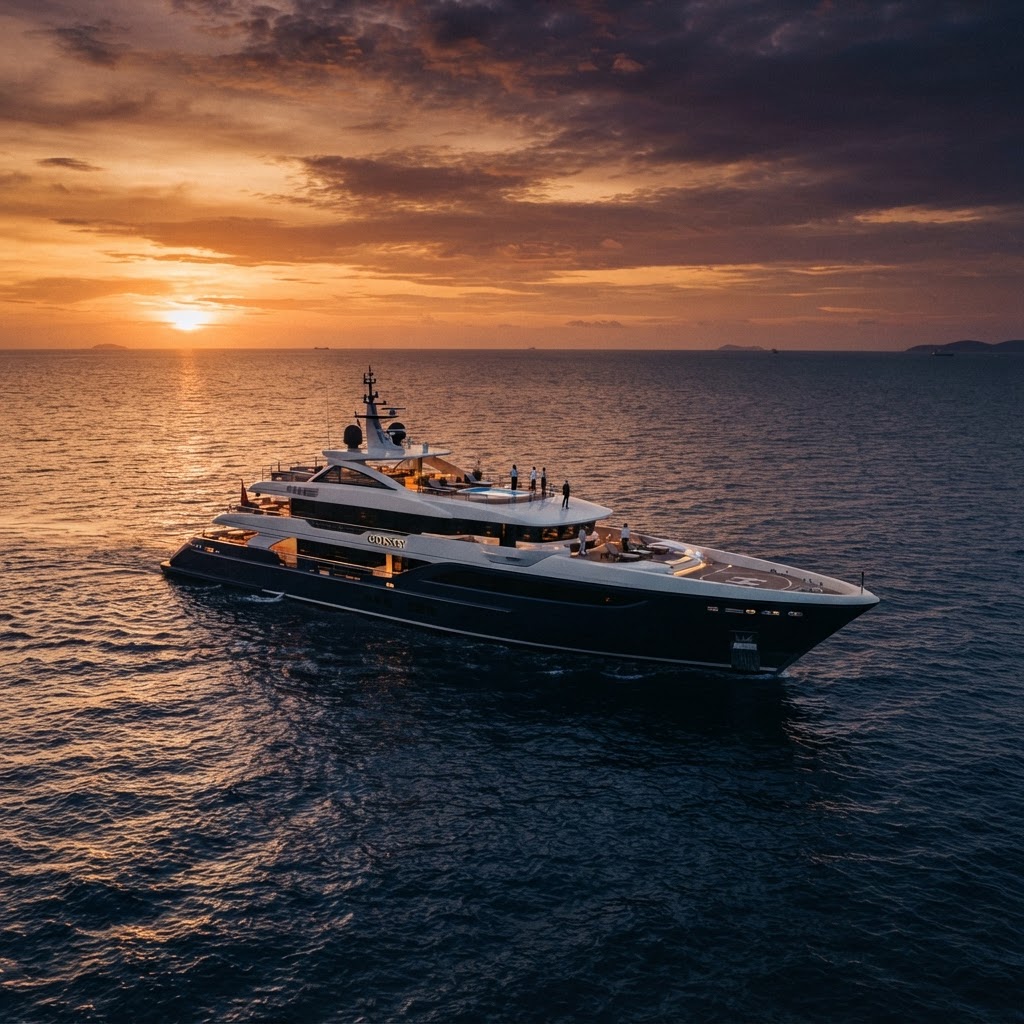
Managing a superyacht between 40 and 50 meters represents the perfect balance between extreme luxury and operational complexity. In 2026, the industry is moving away from the "10% rule"—the rough estimate suggesting owners set aside 10% of the purchase value annually for operating expenses—in favor of operational intelligence based on certified data and predictive maintenance.
Annual Operating Cost Analysis for 50-Meter Yachts
For a vessel of this size, the operating budget is not a static figure, but a dynamic ecosystem. In 2026, fixed costs have stabilized around specific categories. While fuel remains volatile, its impact is lower compared to personnel and technical maintenance costs.
| Expense Category | Average Budget Impact |
|---|---|
| Crew (Salaries and benefits) | 40-45% |
| Technical maintenance and spare parts | 25-30% |
| Dockage and port fees | 10-15% |
| Insurance and administration | 10% |
The key to optimizing these costs lies in the digitalization of maintenance, a service increasingly offered by major shipyards that allows for the avoidance of costly emergency repairs in favor of algorithmic-based planned interventions. Explore our nautical sector proposals to better understand the different categories of vessels available on the market.
2026 Crew Salary Trends
Personnel costs represent the most significant line item. Due to a shortage of highly specialized professionals, crew salaries for 40-50 meter yachts have grown steadily. A full crew for this size typically ranges between 8 and 12 members. The current market rewards continuous training: investing in crew with certified technical skills drastically reduces external maintenance costs, as onboard staff are now able to handle 60% of minor technical failures autonomously.
Maintenance vs. Refit: The 5-Year Strategy
One of the most common mistakes is confusing routine maintenance with periodic refits. While the former is necessary to maintain class and safety (Survey), the refit is often dictated by interior wear or the obsolescence of entertainment systems. Modern asset management involves five-year planning. If you want a comparison with other asset classes, you can also consult our insights on luxury supercars or the private aircraft market.
Final Considerations on Economic Sustainability
The fundamental shift in 2026 is transparency. Experienced owners no longer seek to save money by cutting corners, but rather by maximizing efficiency through factory-backed support contracts. Relying on original manufacturers not only guarantees the vessel's residual value but ensures that every intervention is traceable, making the future resale of your asset a much smoother process. If you are wondering how to position your yacht on the market, evaluate our dedicated service to sell your asset.