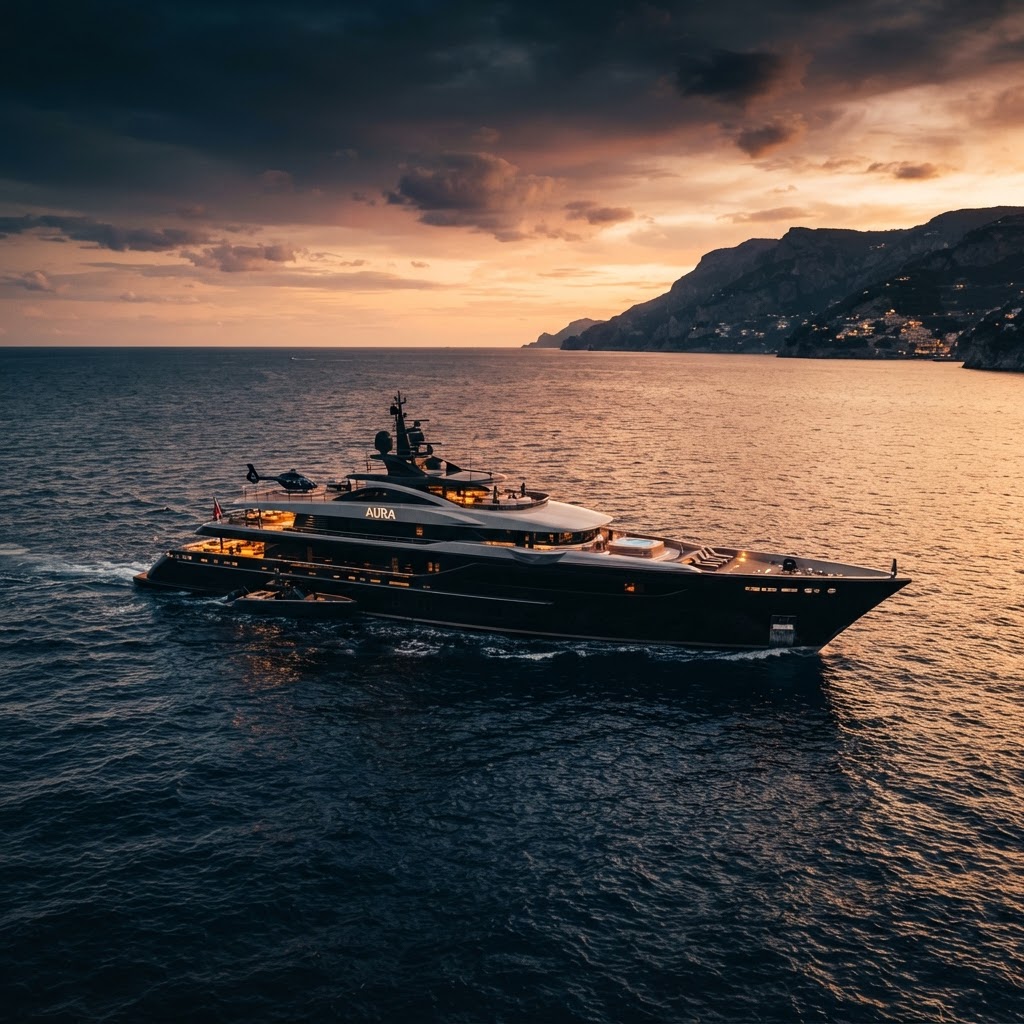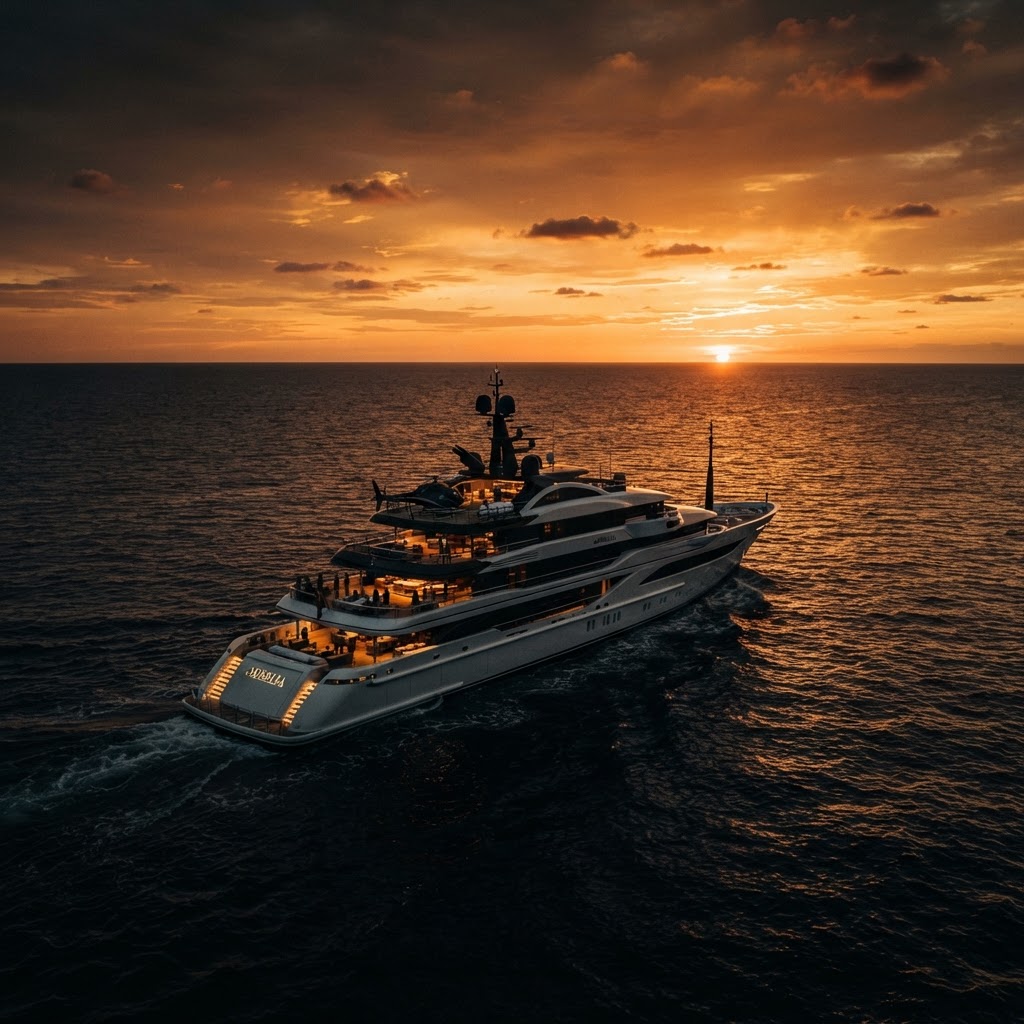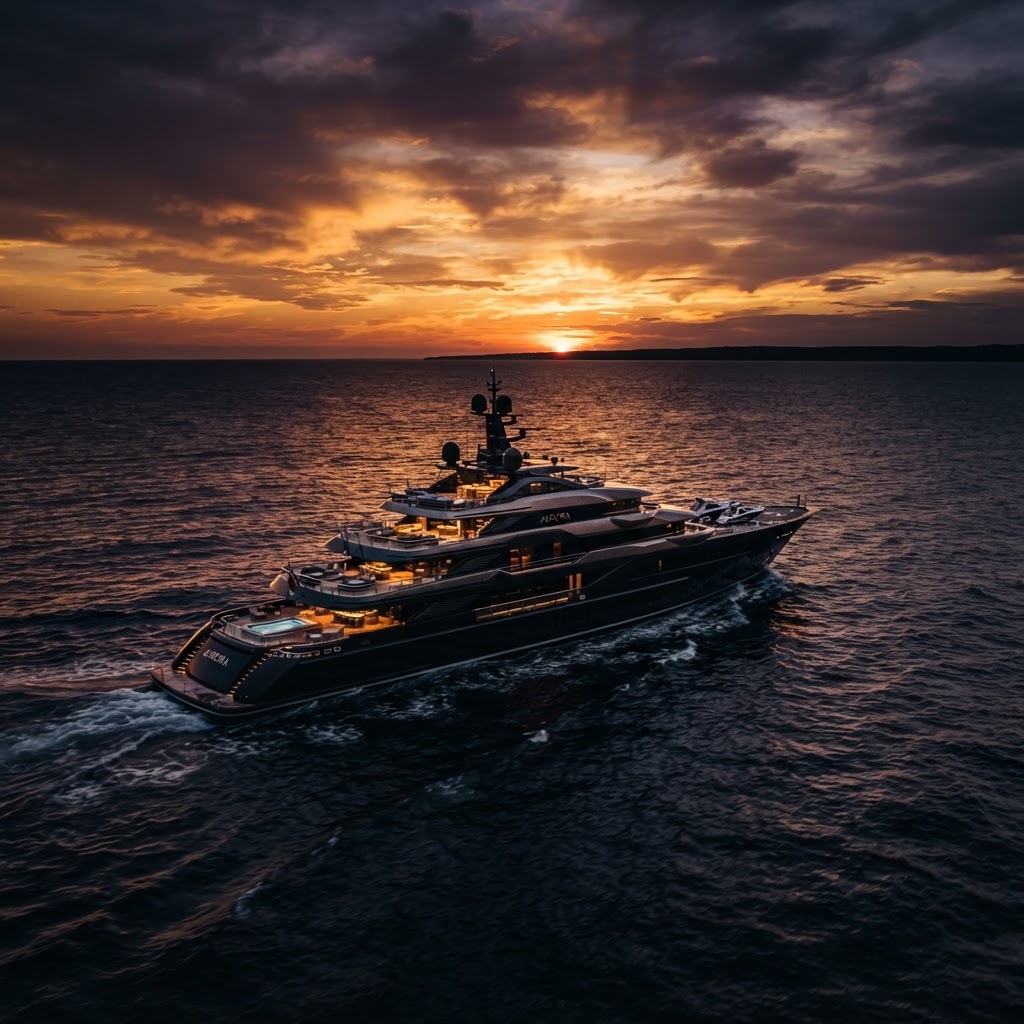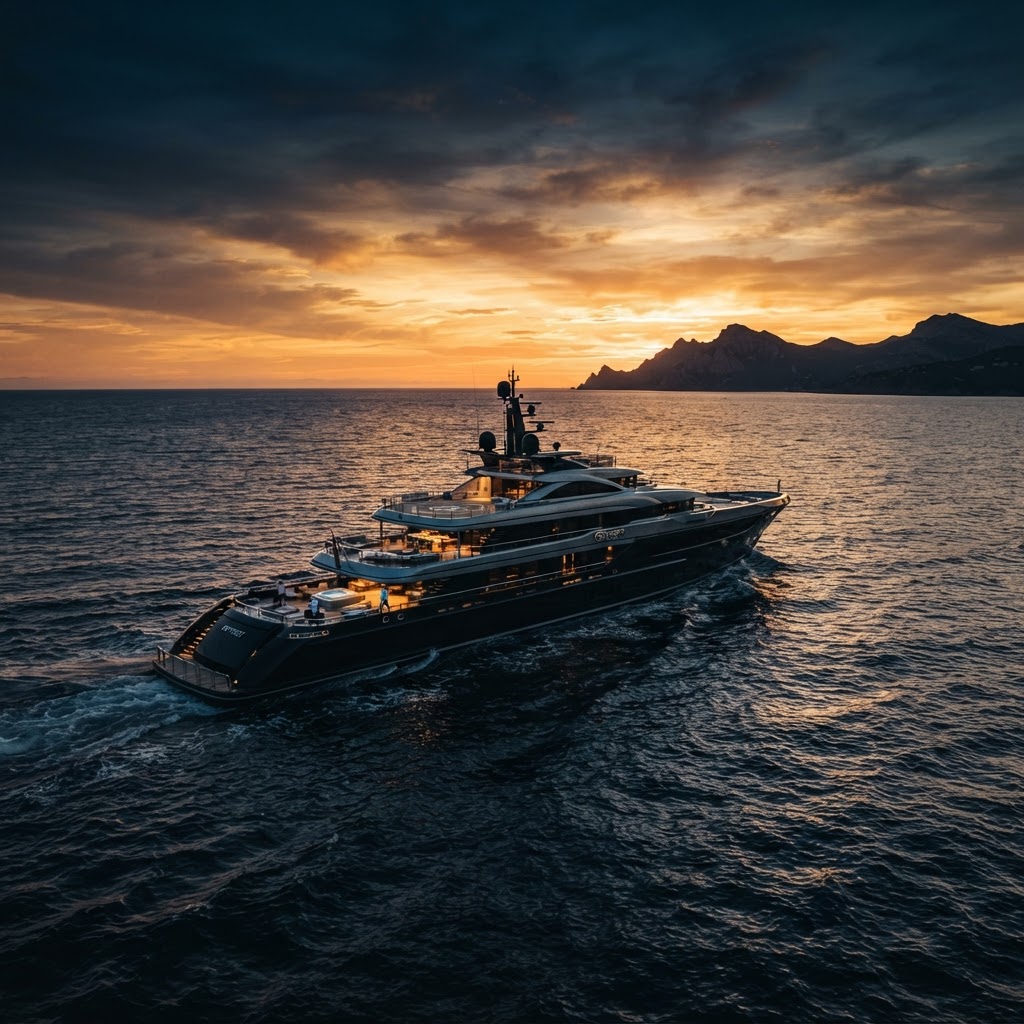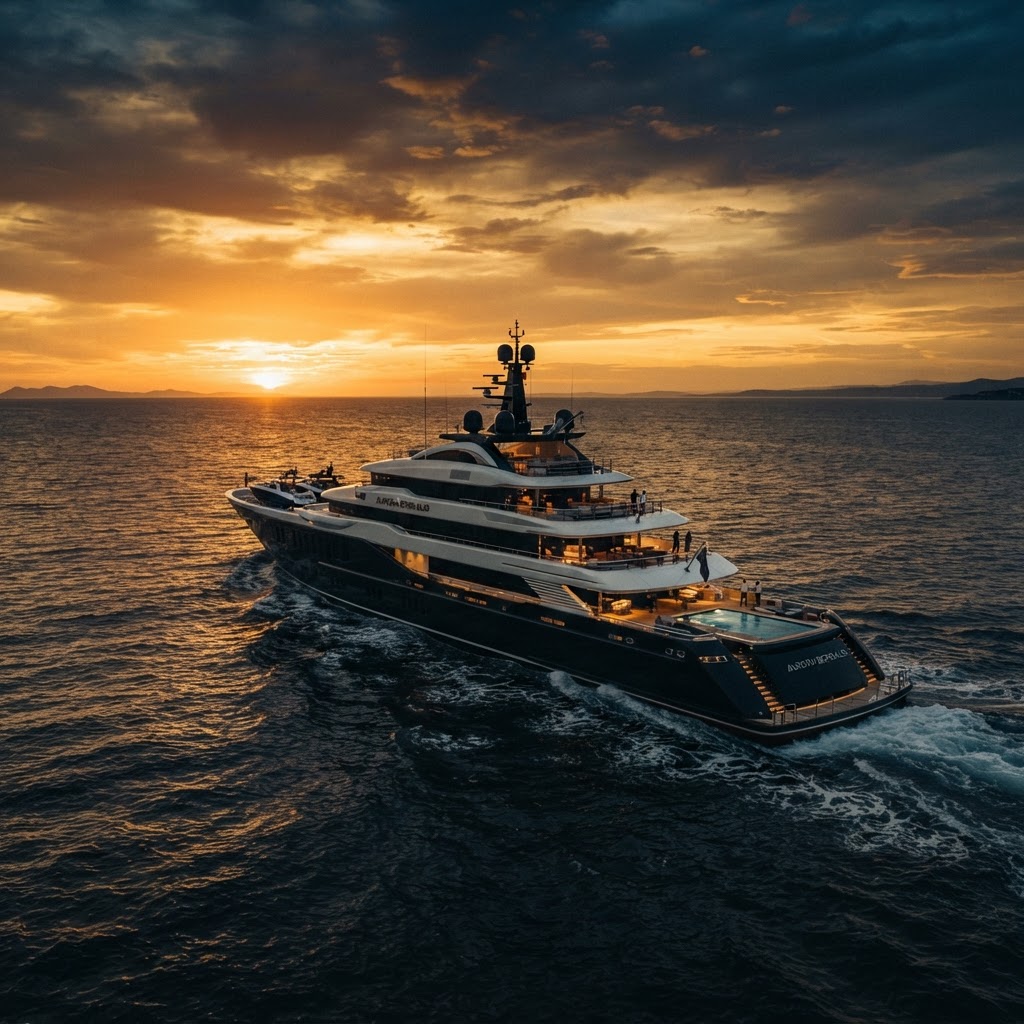

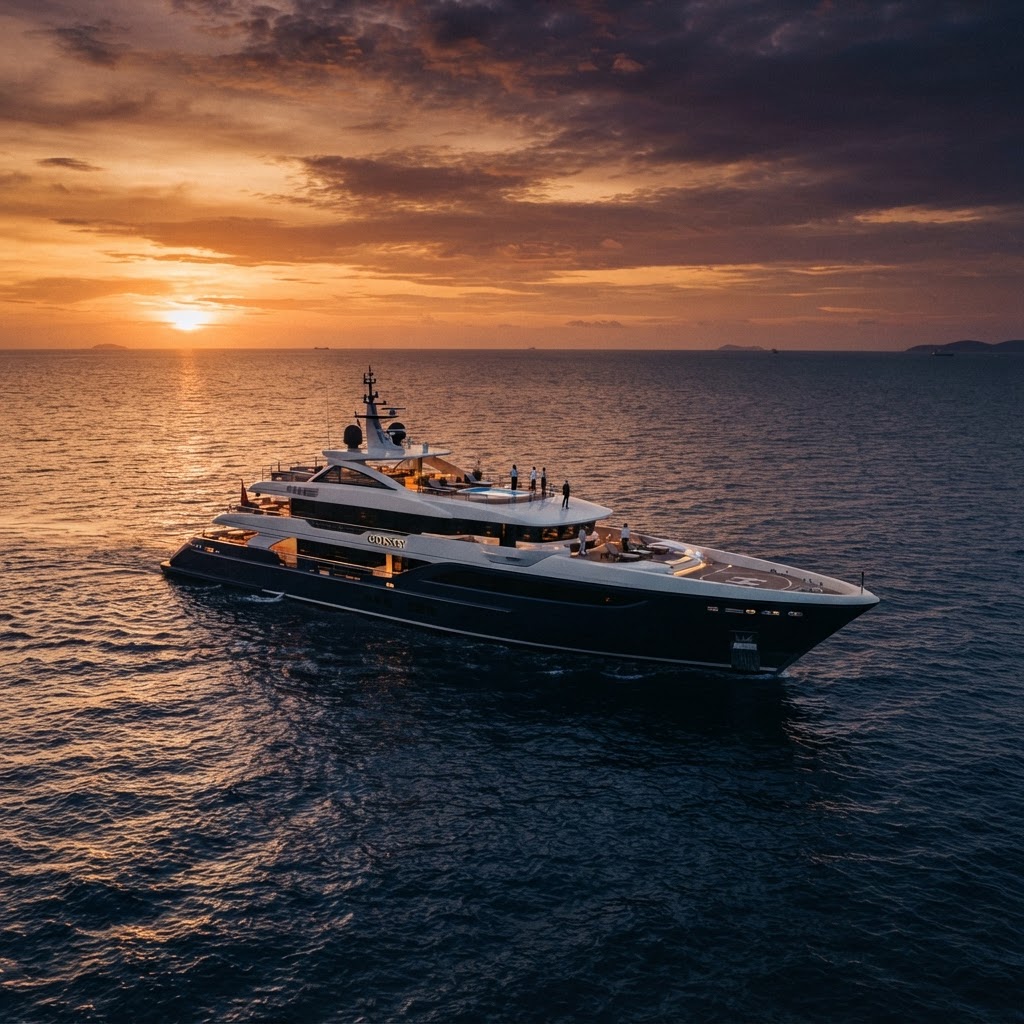
In the high-profile nautical market of 2026, the long-standing belief that setting aside 10% of the purchase value annually covers operating expenses has become obsolete. For owners of vessels between 30 and 60 meters, today’s operational reality demands a budget revision, with running costs consistently oscillating between 12% and 15% per year. This increase is not a market whim, but the result of complex management facing stricter environmental regulations, a shortage of premium berths, and a global competition for top-tier deck talent.
How Much Does It Really Cost to Maintain a Superyacht Annually?
The short answer is that operating expenditure is a living organism dependent on the level of customization and intensity of use. While a moored boat requires fixed costs for maintenance, insurance, and minimal staffing, taking it to sea transforms the budget into a complex variable. The shift from 10% to 15% is primarily dictated by the inflation of specialized services and the technological upgrades necessary to maintain asset value over time. Explore our section dedicated to luxury yachts to better understand how design influences long-term maintenance.
The Reality of Crew Costs and Talent Retention
Personnel costs currently represent the most significant and volatile expense category. The demand for highly qualified professionals has outpaced supply, making competitive compensation an essential commitment. It is not just about the captain's or chief engineer's base salary; one must consider the costs of continuous training, mandatory maritime insurance, and logistical expenses for shift management. In a market where crew loyalty guarantees the safety of the asset, cutting corners here means exposing oneself to operational risks and a rapid technical depreciation of the vessel.
Mooring Costs in Monaco and the Mediterranean: A Scarce Resource
Securing a berth in prestigious ports like Monaco, Portofino, or Saint-Tropez is no longer just a matter of budget, but of actual availability. The shortage of slips for yachts over 40 meters has driven up rental rates and port management fees. For those planning an intense season, seasonal or annual leasing must be included in the business plan with a risk premium, as price fluctuation is constant. If you are planning to sell your current asset for an upgrade, consult our guide on how to sell successfully to maximize your financial return.
Final Considerations on Budget Sustainability
Owning a superyacht in 2026 requires rigorous financial planning that moves beyond the logic of fixed percentages in favor of a bottom-up operational audit. Whether it is a Sanlorenzo, a Benetti, or a Sunseeker, preventive maintenance remains the smartest investment to avoid extraordinary repair costs eroding your capital. The key to a successful ownership experience lies in the transparency of fixed costs and the flexibility for discretionary expenses related to cruising. Do not be caught off guard: prudent management is the true secret to preserving the prestige of your nautical investment.