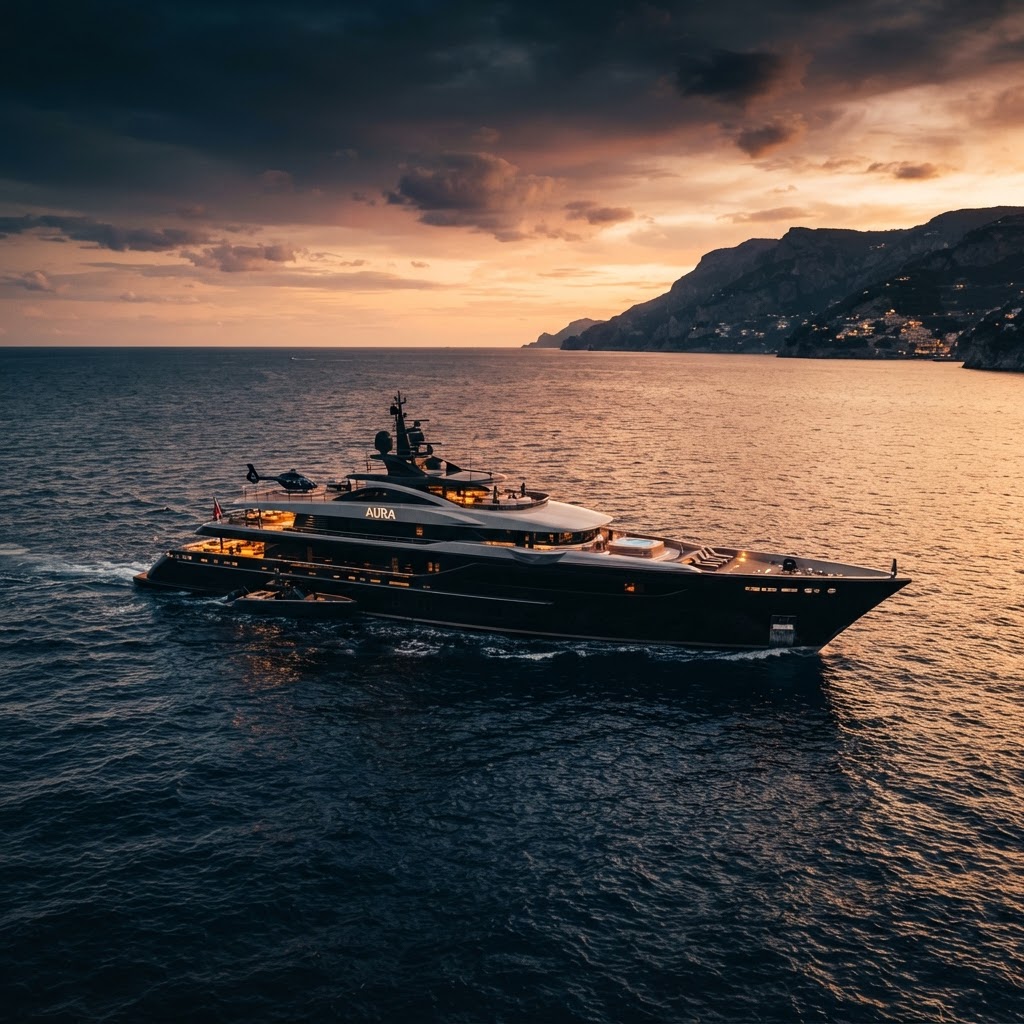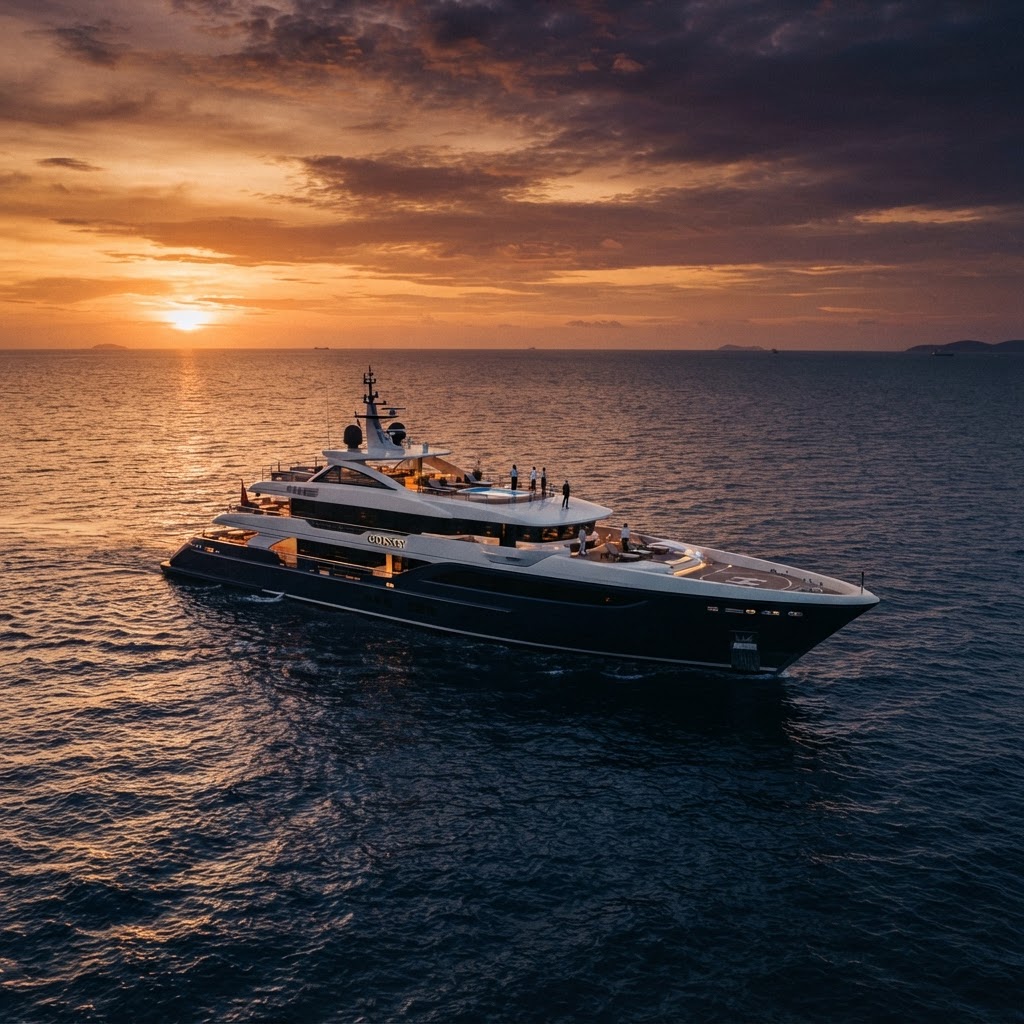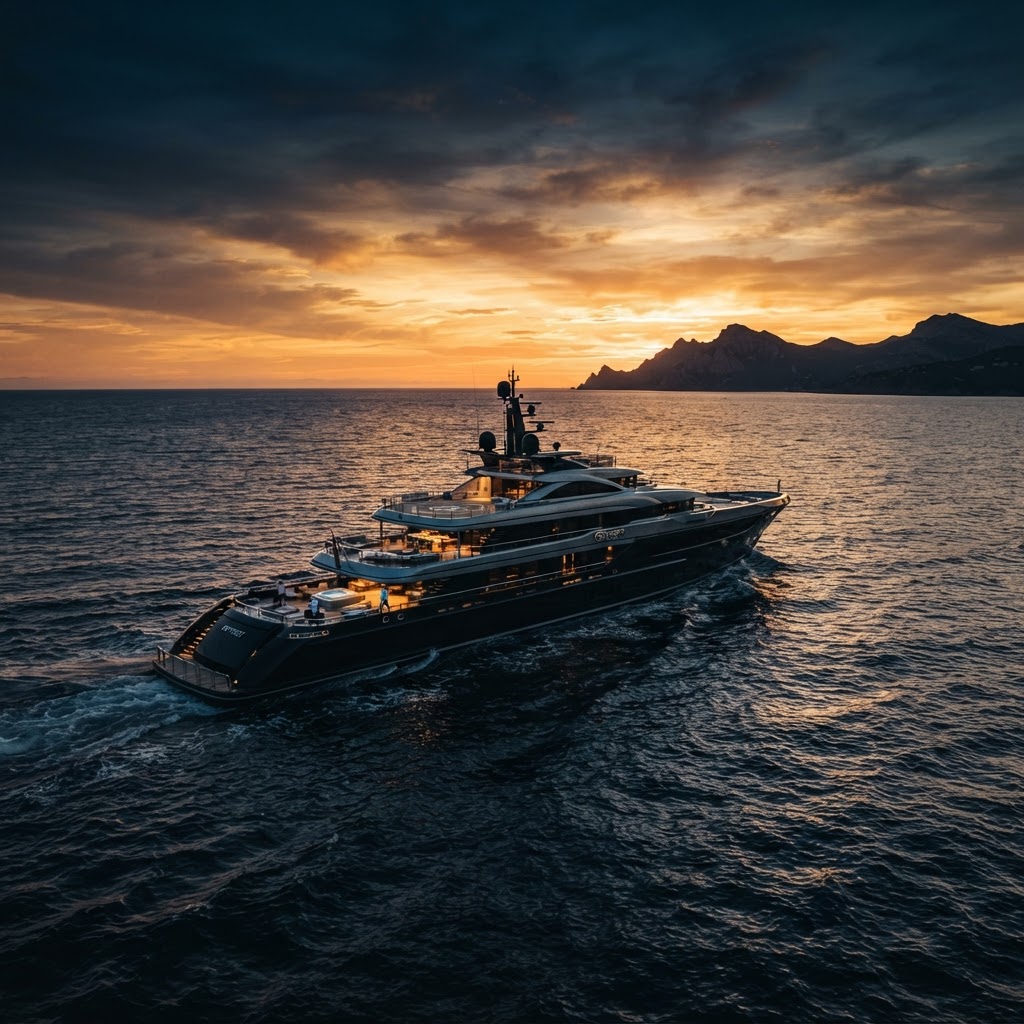

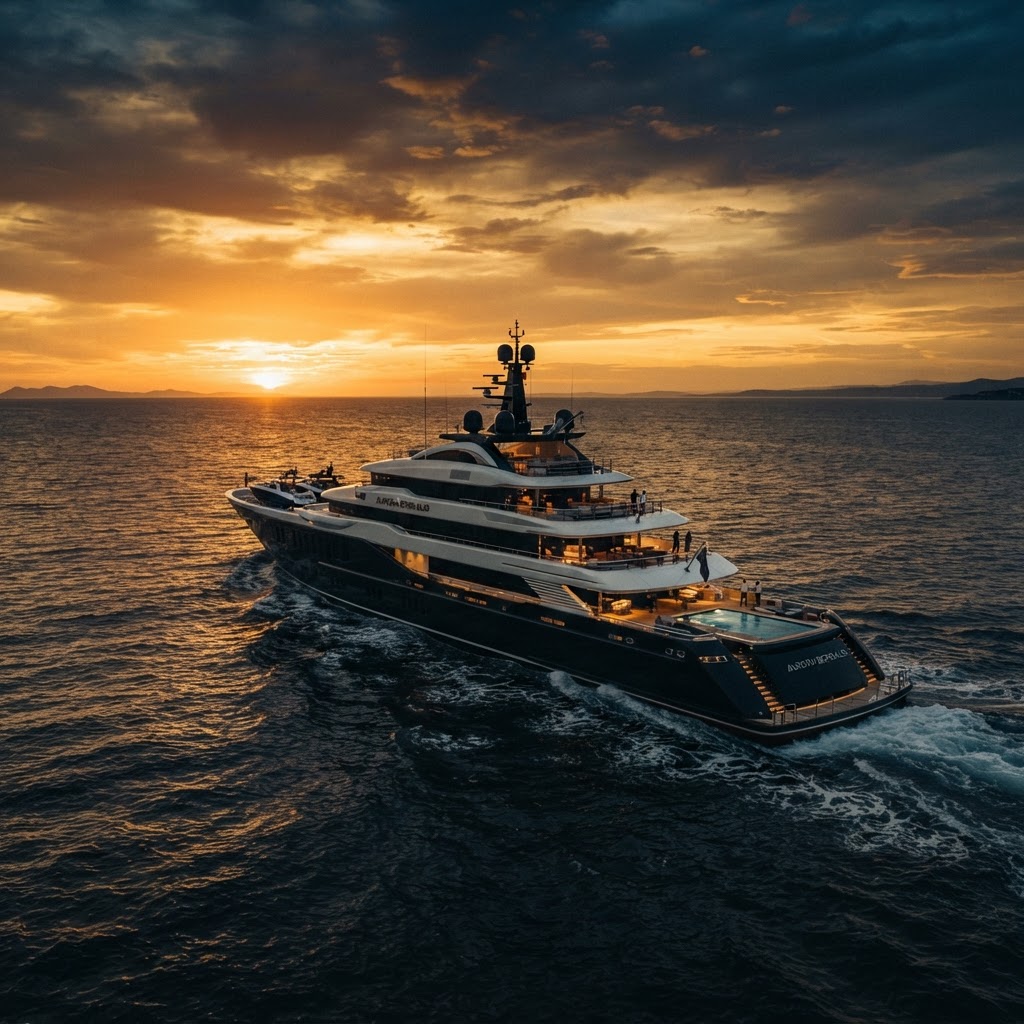
Owning a superyacht is not just about the purchase price; it is a significant financial commitment that demands rigorous professional management. For an owner, understanding the true cost of maintaining a superyacht in 2026 means looking beyond the sticker price to analyze the Total Cost of Ownership (TCO), which, according to the industry's golden rule, equates to between 10% and 15% of the vessel's value on an annual basis.
The 10-15% Rule: Analytical Breakdown by Size Class
Not all superyachts require the same level of financial commitment. Cost structures vary drastically based on technical complexity and dimensions. For a 30-meter vessel, the annual operating budget can fluctuate between 300,000 and 500,000 euros—a figure that multiplies exponentially for yachts of 50 meters or those exceeding 80 meters, where management becomes akin to running a small company.
| Yacht Class | Annual Operating Budget (Estimate) |
|---|---|
| 30 meters | 350,000 - 600,000 € |
| 50 meters | 1,000,000 - 1,800,000 € |
| 80 meters+ | 3,000,000 €+ |
Superyacht Crew Costs and Maritime Management
Crew expenses represent the most significant cost category, often accounting for over 40% of the total budget. This involves more than just salaries; it includes a complex cost structure covering insurance (P&I and Hull), training, uniforms, and benefits. Maritime compliance has become a critical factor: international regulations require manning management that ensures high safety standards, directly influencing crew costs for high-profile superyachts. To explore industry excellence, visit our section dedicated to luxury yachts.
How Much Does Mooring Cost in Exclusive Marinas?
The price of a berth in Porto Cervo, Monaco, or Saint-Tropez reflects the scarcity of infrastructure capable of hosting large vessels. In peak season, mooring fees can exceed thousands of euros per day. To optimize annual superyacht operating expenses, many owners today choose to integrate their asset into professional charter circuits, transforming a cost center into a partially self-funded asset. Careful selection of the flag of registry and strategic management are fundamental steps to mitigate tax and logistical impacts.
Refit and Maintenance: Protecting Your Investment Over Time
Beyond fixed costs, the five-year refit cycle is a chapter that should not be underestimated. Maintaining the efficiency of propulsion systems and the aesthetic prestige of interiors requires constant investment. Often, owners underestimate current operating expenses by 30%, leaving them unprepared for extraordinary repairs or technological upgrades. For those looking to optimize their fleet or plan a sale, our sell with us service offers the support needed to position the vessel on the international market.
Conclusions: Planning Your Ownership for 2026
Managing a superyacht successfully in 2026 requires the same attention dedicated to any other luxury financial asset, such as a collection of supercars. Transparency in costs and relying on experienced management companies allow the owner to focus on the joy of navigation, turning operational complexity into an exclusive and seamless experience.