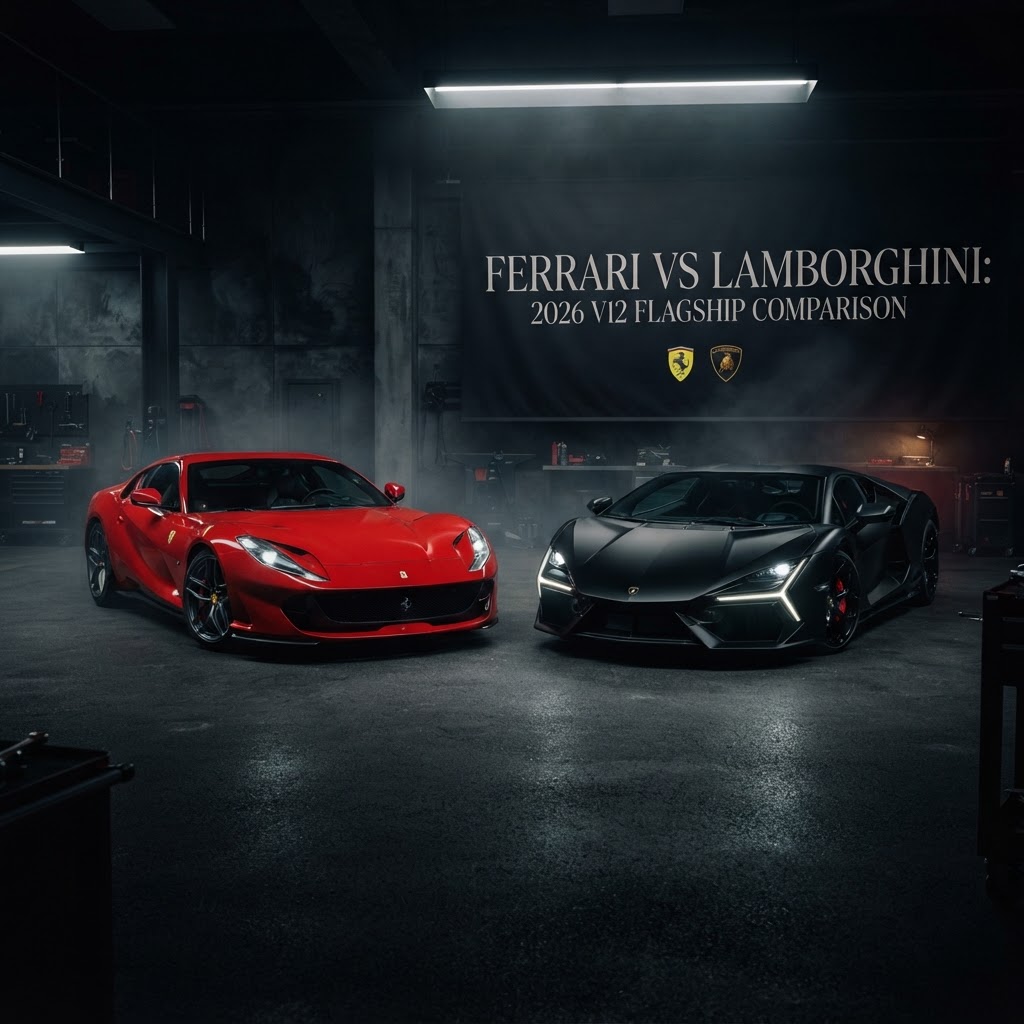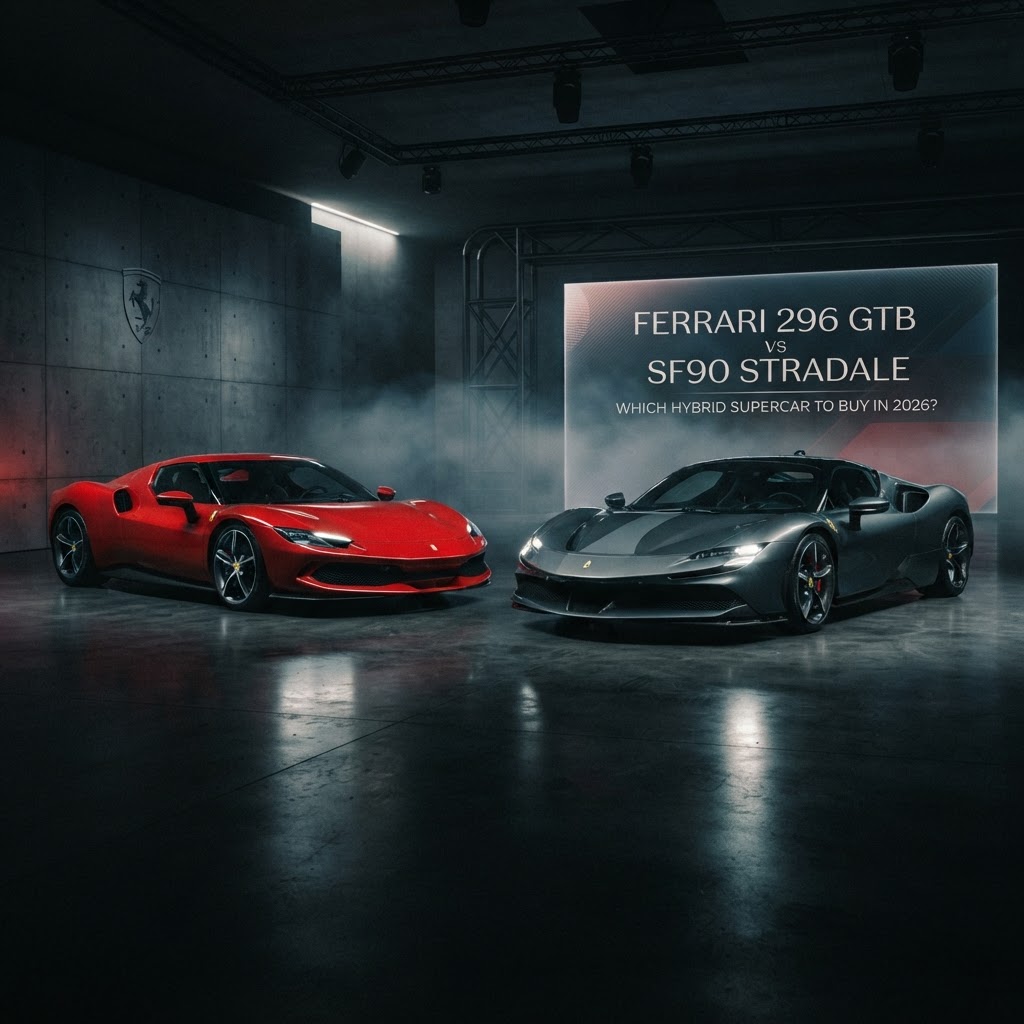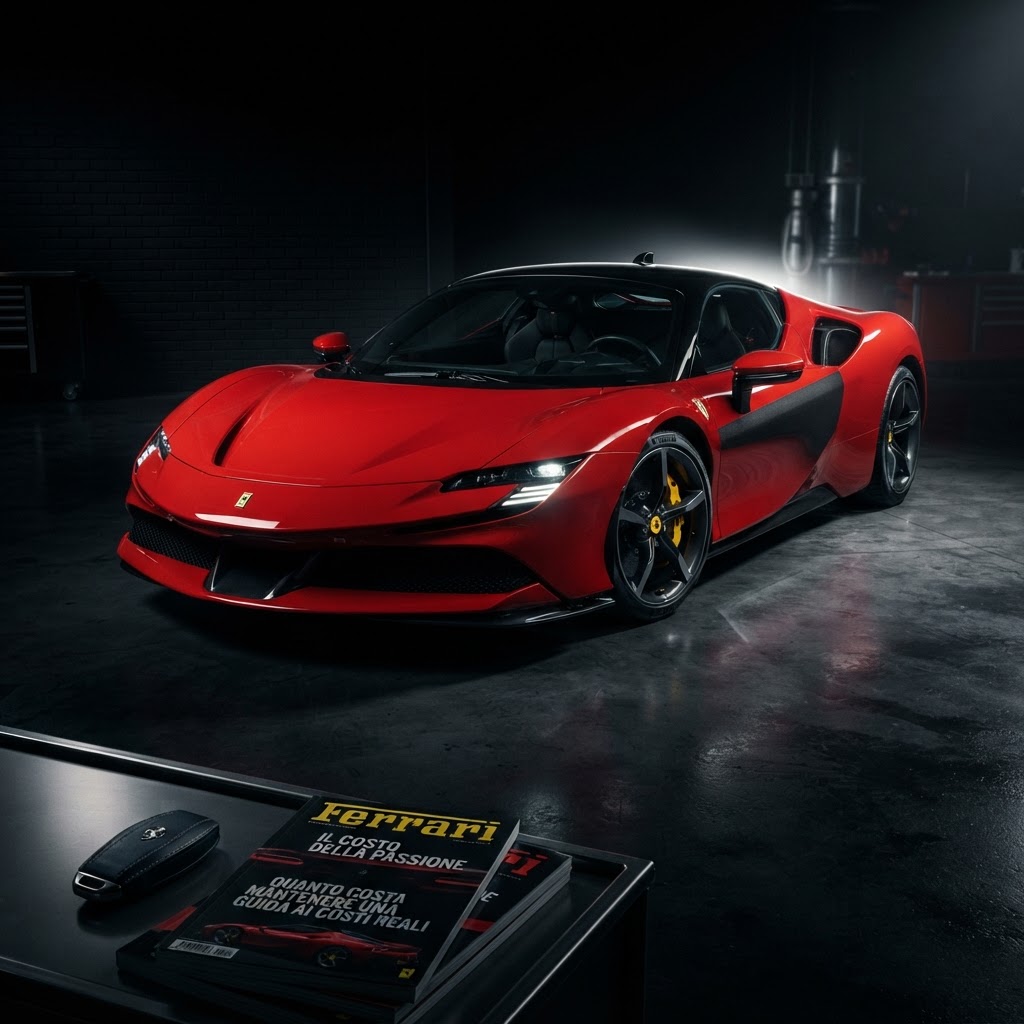


The luxury car market is experiencing unprecedented polarization. On one hand, 'Modern Classics'—vehicles produced between the 90s and the early 2000s—have established themselves as safe-haven assets. On the other, new hypercars represent high-risk bets based on brand exclusivity and technological innovation. The challenge for the modern investor is not just choosing the model, but understanding the value lifecycle over time.
Why Modern Classics offer greater value stability
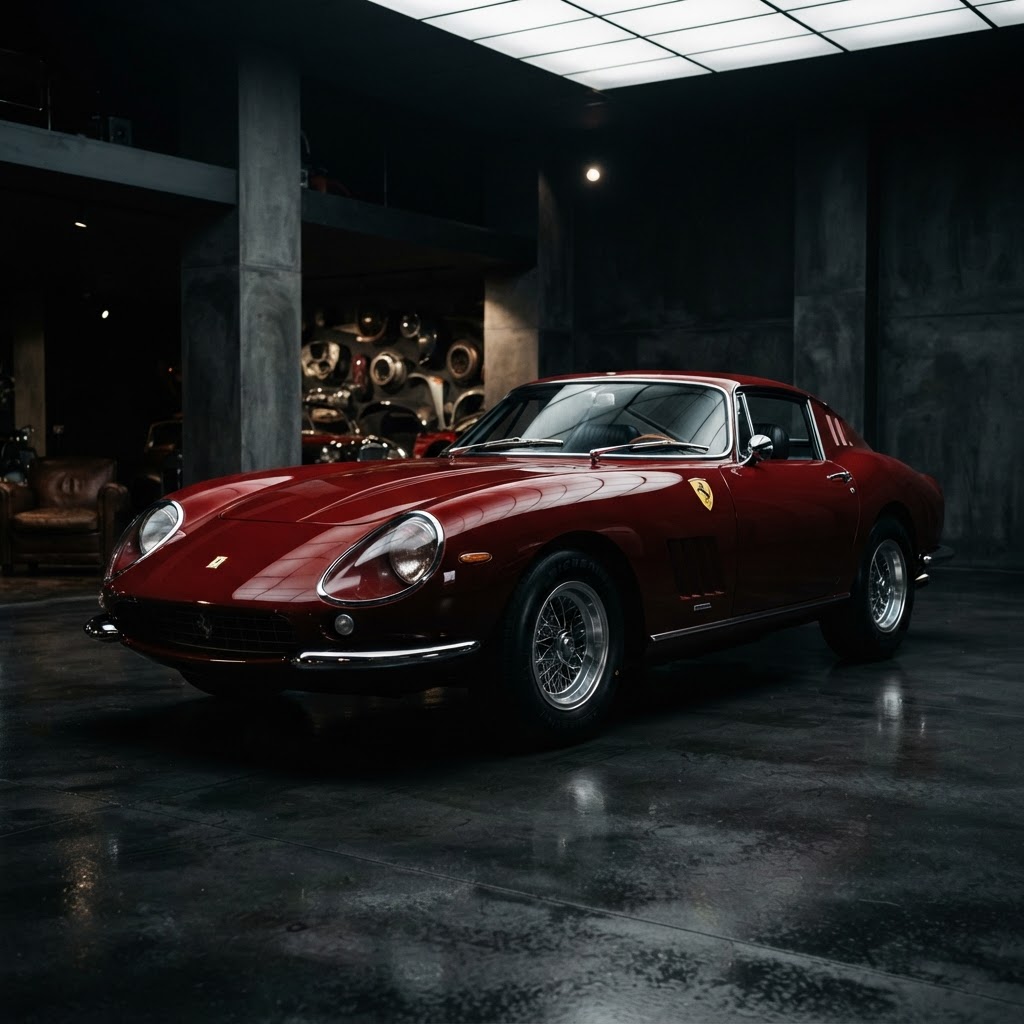
Vehicles aged between 8 and 15 years often represent the ideal balance, the so-called 'Sweet Spot'. Having passed the initial depreciation phase, these cars stop suffering from the value loss typical of new vehicles and begin an appreciation curve driven by scarcity and mechanical nostalgia. While new releases must compete with technological obsolescence, iconic models, such as many Ferrari models from the turn of the millennium, enjoy constant demand among collectors seeking an authentic, analog driving experience.
The lifecycle of contemporary hypercars
Conversely, hypercars fresh off the production line almost always suffer an immediate 20-40% drop in the secondary market. Investing in this segment is a game of allocation: only those with access to manufacturers' priority lists can hope for immediate appreciation. For other investors, new hypercars represent volatile assets whose value is strictly tied to the brand's ability to maintain its prestige in the supercar sector.
Which supercars hold their value best over time?
Not every vehicle is destined to become a high-value asset. Experts at PROMOTORLUX Magazine observe that key factors for appreciation include:
- Limited production: Low chassis numbers ensure superior value retention.
- Mechanical purity: Manual transmissions and naturally aspirated engines have become the minimum requirements for future icons.
- Provenance: Complete service records and crystal-clear ownership history are fundamental to transforming a used car into an investment.
| Factor | Modern Classic | New Hypercar |
|---|---|---|
| Depreciation Risk | Low | High |
| Value Driver | Nostalgia/Exclusivity | Technology/Brand |
| Accessibility | High | Very Low |
Strategies for diversifying an exotic car portfolio
Investing in high-end vehicles requires the same discipline as a stock portfolio. If your goal is capital protection, 'analog' models represent a prudent tactical choice. If, instead, you are seeking speculative returns, limited-edition hypercars offer potential for quick gains, provided you can handle the high volatility. Before purchasing, it is advisable to consult industry experts or evaluate specialized advisory services to sell your car under the best market conditions.
Future perspectives for automotive investors
The future of car collecting will be increasingly dominated by the distinction between 'technological tools' and 'mechanical works of art'. While electrification exerts pressure on the general market, internal combustion supercars from the end of the era are transforming into pure collectible assets, with an appreciation curve that historically tends not to follow global financial market fluctuations.