

The year 2026 marks a decisive turning point for the supercar market. The 'end of an era' thesis is no longer theoretical speculation but a tangible economic driver: high-performance models equipped with the final generation of internal combustion engines (ICE) are undergoing unprecedented appreciation. While initial enthusiasm for electric hypercars is colliding with a steep depreciation curve, the asset class of analog and 'analog-first' hybrid vehicles is attracting capital from investors seeking protection against market volatility.
Which supercars are considered safe investments in 2026?
Identifying an 'investment-grade' vehicle today requires rigorous criteria that go beyond mere horsepower. UHNWI investors are converging on models that possess three fundamental characteristics:
- Final iteration of combustion engines: Models that represent the technological zenith before the forced transition to electrification.
- Limited production volumes: Intrinsic scarcity is the pillar of long-term value.
- Racing pedigree: Road-legal versions derived directly from motorsport.
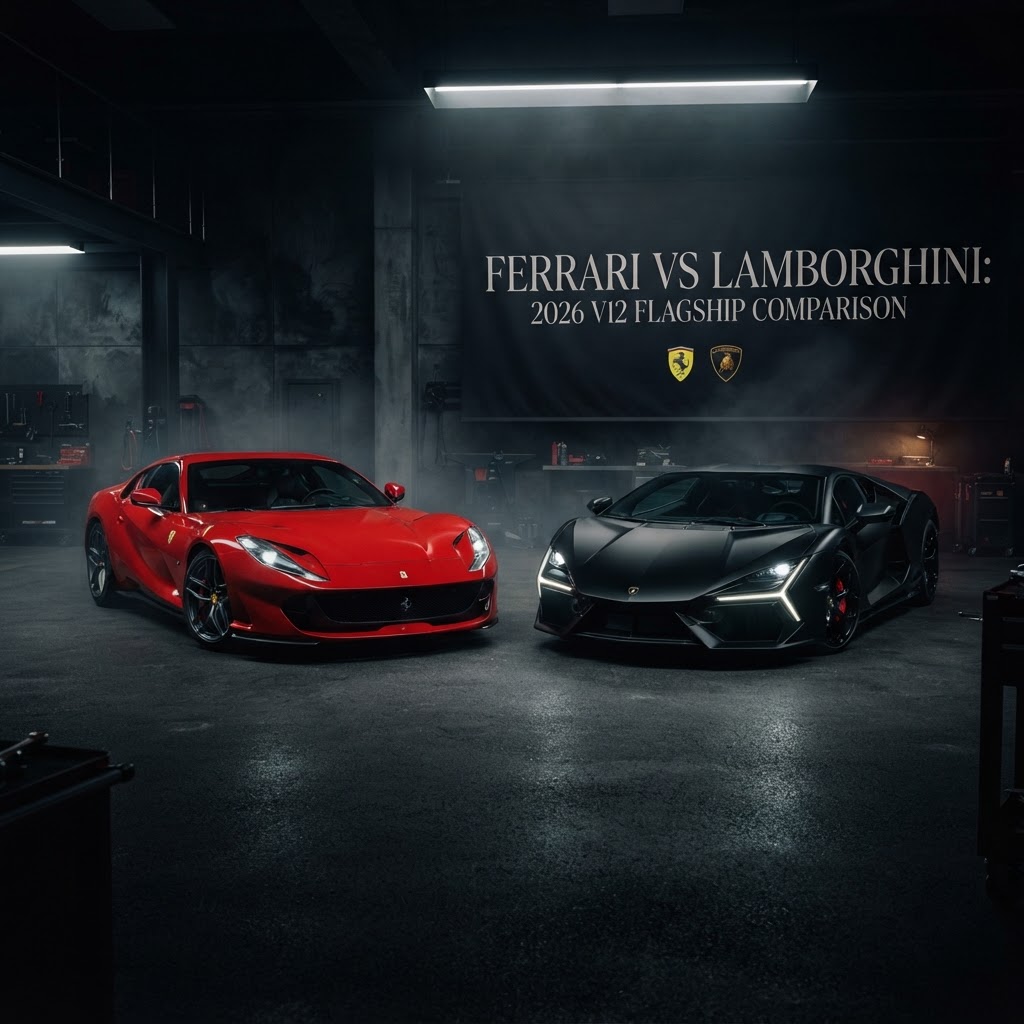
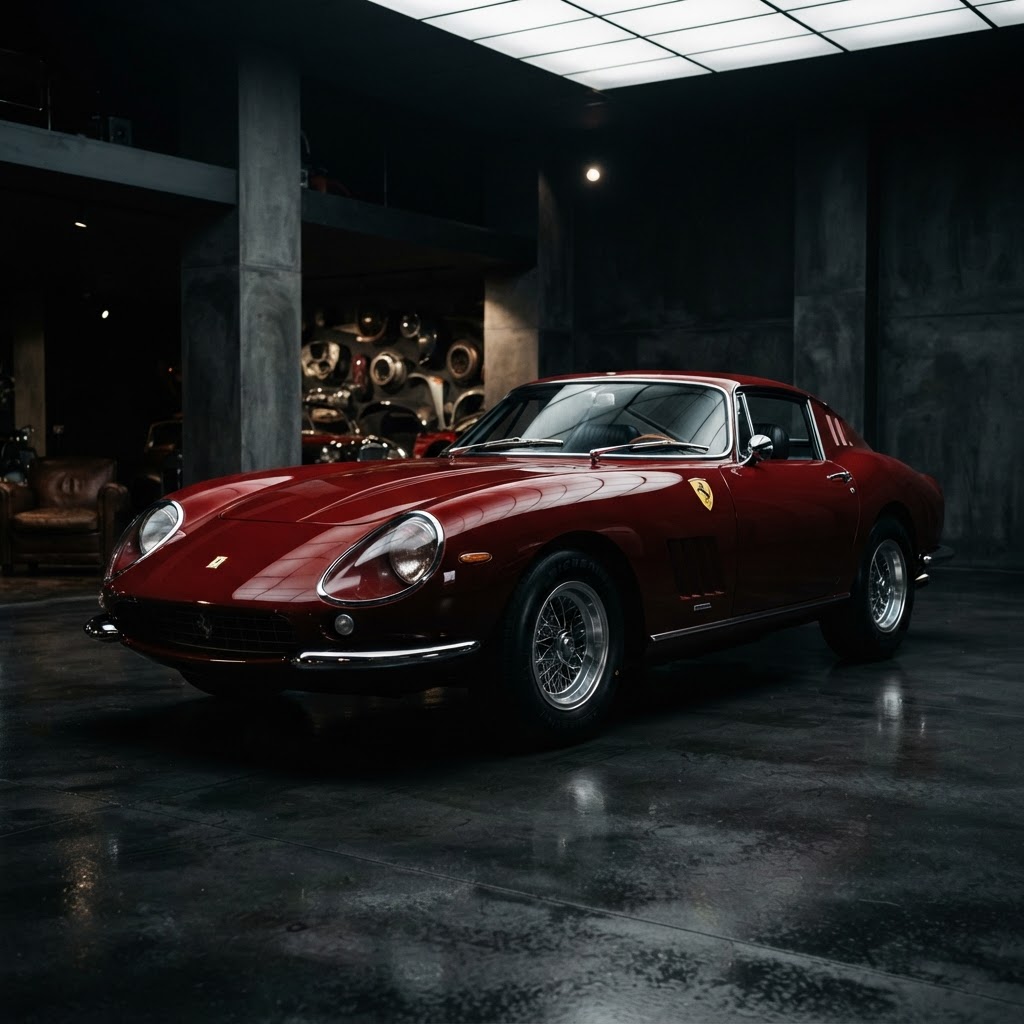
In this scenario, brands like Ferrari continue to dominate auctions, especially regarding limited series produced during the technological transition. The demand is clear: the scarcity of a pure mechanical experience beats the raw speed of an electric motor.
The impact of hybrid technology on collectibility
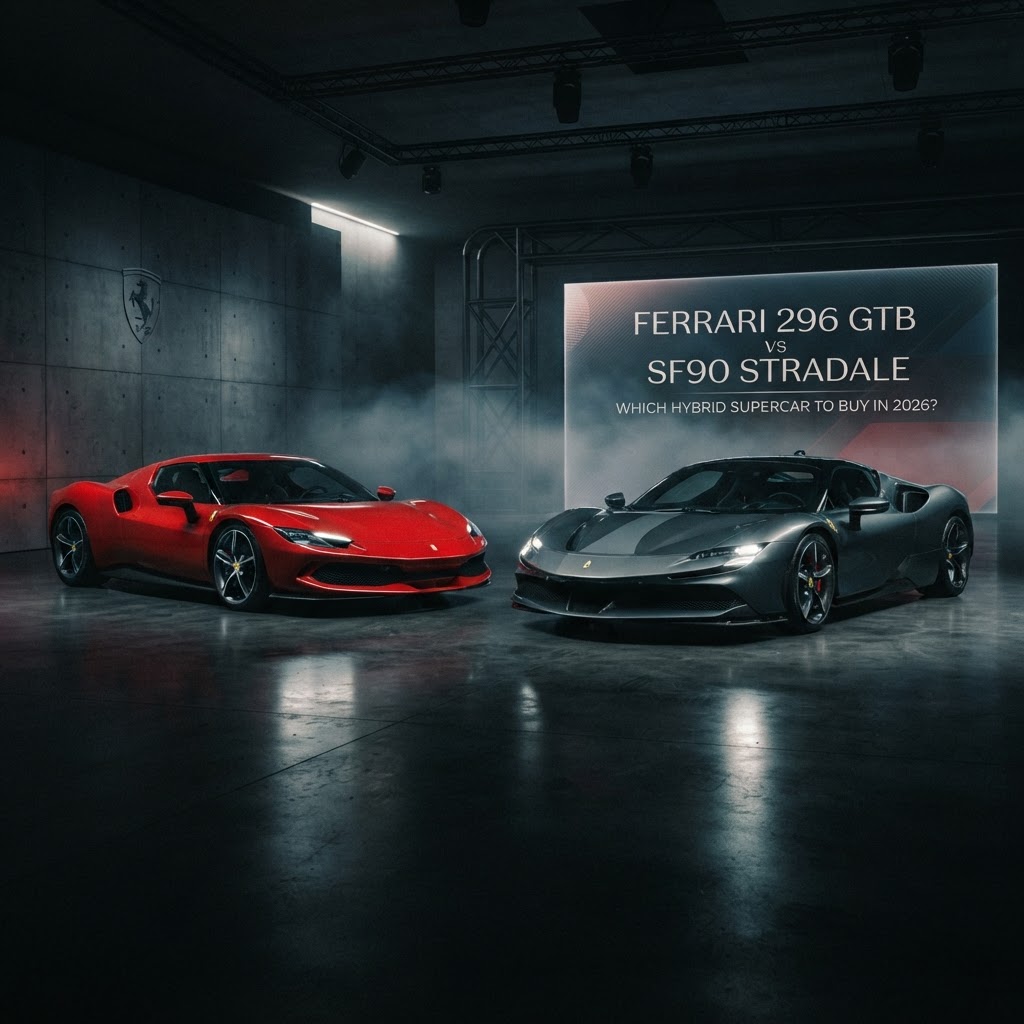
Not all hybrids are created equal. In 2026, we observe a clear divergence in value between 'performance-oriented' hybrids and those focused solely on efficiency. The former, which integrate electric motors to amplify torque in high-revving internal combustion engines, maintain the charm of an analog driving experience. Conversely, vehicles that sacrifice their mechanical soul and sound on the altar of energy efficiency are struggling to find a place in the portfolios of ProMotorLux collectors.
The role of fractional ownership in the supercar market
The democratization of access to luxury assets, known as fractional ownership, is shifting sector dynamics. While it allows new investors to diversify, this trend has created market segmentation:
| Investor Type | Primary Objective | Time Horizon |
|---|---|---|
| Private Collector | Value Preservation/Status | 5-10+ years |
| Fractional Investor | Speculative Return | 1-3 years |
| Family Office | Capital Protection/Real Asset | Long-term |
The growth of the fractional market is increasing liquidity for certain modern models, making it easier to enter and exit niche positions, but it also makes the selection of the base model even more crucial to avoid 'value traps'.
Conclusions: what to expect for the future of automotive assets
2026 confirms that the supercar market is no longer a single sector. The division between heritage-based mechanical assets and purely technological vehicles is definitive. For those looking to sell or diversify their portfolio, the recommendation is to focus on those specimens that represent a unique moment in engineering history, ignoring fleeting technological trends.